

If you’re searching “fence installers near me,” you’re probably weighing the same questions most Springfield homeowners have: what it actually costs, how long the yard will be torn up, and how to tell a solid local installer from someone just passing through town. Here’s what actually matters when you’re comparing fence installers near you — cost factors, a realistic timeline, the permit question most people forget to ask, and a material comparison that doesn’t just push whatever’s easiest to install.
On this page:
- How much does fence installation cost?
- How long does fence installation take?
- Fence installers near me: questions to ask before you hire
- Do you need a permit to install a fence in Springfield, IL?
- Wood vs. vinyl vs. chain-link: which fence fits your yard?
- Red flags when comparing fence quotes
- A simple way to compare two fence quotes side by side
- Common questions about fence installers near you
- What working with a local fence installer actually looks like
- How long does a fence last?
- Repair or replace? Signs your fence needs more than a patch
- Why Springfield homeowners choose JDB Home Solutions
- Getting started
How Much Does Fence Installation Cost?
Fence pricing depends on more than just linear footage. Material is the biggest factor — wood, vinyl, and chain-link all price differently — but terrain, gate count, and how many corners and posts the layout needs all move the number too. A sloped yard or a fence line full of tree roots takes longer to dig than a flat, open lot.
The best way to get an honest number is a written, itemized estimate that breaks out material and labor separately, rather than a single lump-sum guess. That’s what tells you whether two quotes are actually comparable, or whether one of them is missing scope.
How Long Does Fence Installation Take?
Most residential fence installations in the Springfield area take a few days from the first post hole to the final walk-through, depending on total footage and material. Chain-link generally goes fastest; wood and vinyl privacy fencing takes longer because each panel and post needs to be set and leveled individually. Weather is the real wildcard — wet ground slows post-hole digging more than almost anything else.
Fence Installers Near Me: Questions to Ask Before You Hire
A few questions separate a real local installer from a subcontracted crew working under someone else’s name:
- Is the company licensed and insured? Ask to see it, not just hear “yes.”
- Who sets the posts — the person who quoted the job, or a crew you’ve never met?
- Is the estimate written, with materials and linear footage spelled out? A verbal number is not a quote.
- Do they pull a permit if one’s required? (More on this below.)
- How deep do the posts go, and are they set in concrete? A fence that leans within a year or two usually started with shallow, poorly set posts.
- What’s covered under warranty, and for how long?
- Will they confirm property lines before digging? A fence set even a foot over the line can turn into a dispute with a neighbor later.
When people search “fence installers near me,” they’re usually trying to answer these same questions for two or three companies at once. Asking upfront makes the quotes easy to compare instead of guessing later.
Do You Need a Permit to Install a Fence in Springfield, IL?
Many municipalities, including most of Central Illinois, require a permit for fences above a certain height, particularly for corner lots where sight-line rules apply near intersections and driveways. Requirements vary by property and by how the fence sits relative to setbacks and property lines, so it’s worth confirming directly with the city or your installer rather than assuming a fence is exempt.
A contractor who’s actually done this before should raise the permit question themselves, before you have to ask. It’s also worth confirming property lines and any HOA rules before digging — those aren’t always covered by a city permit, but they can still hold up or reverse a project after the fact.
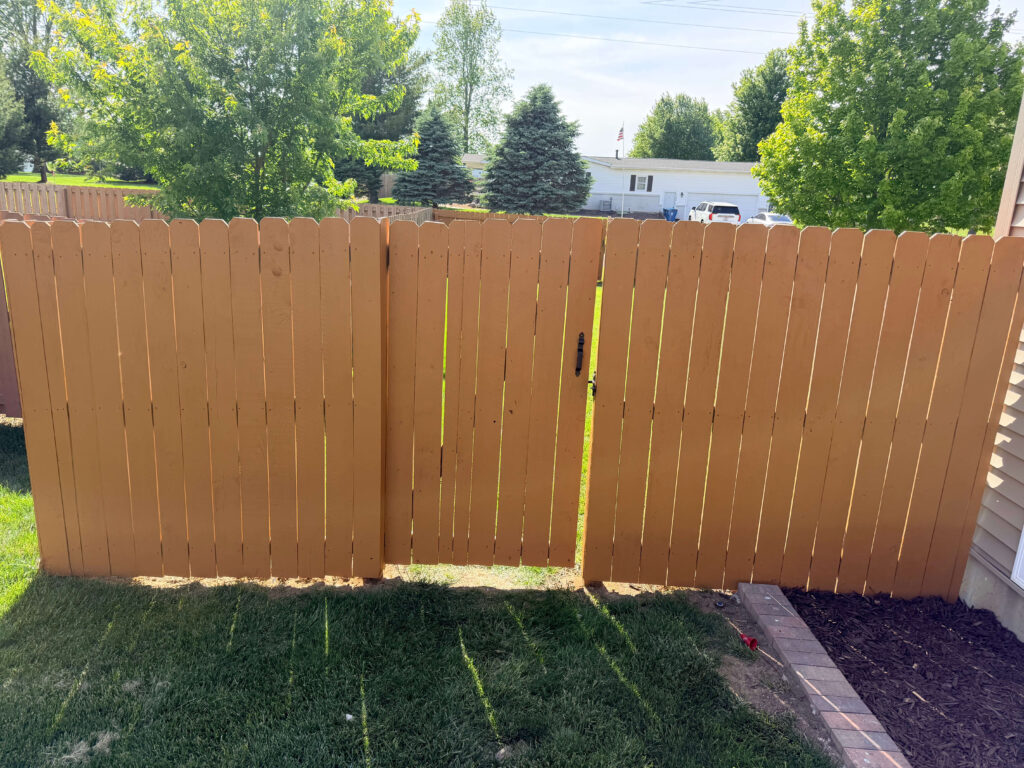
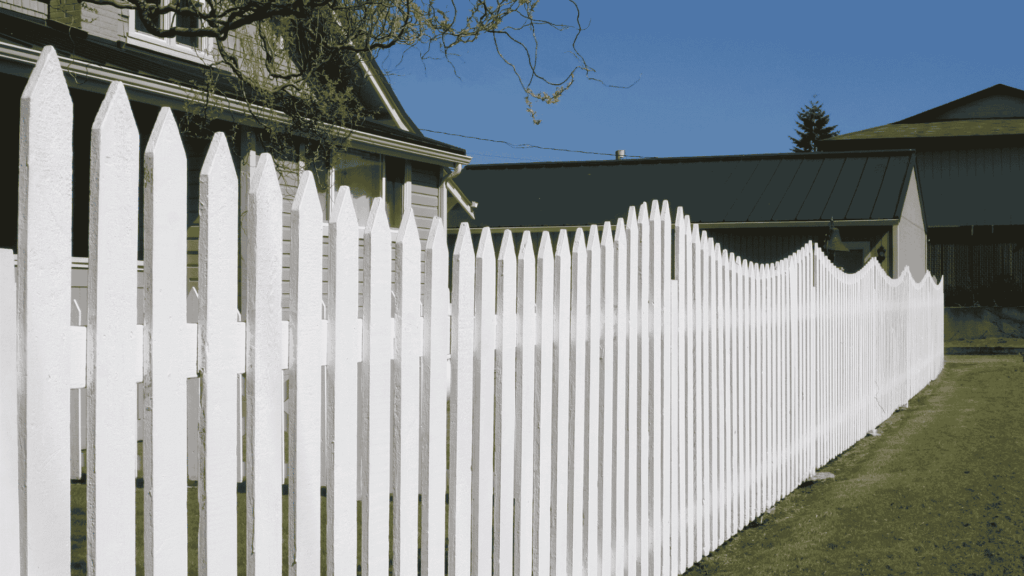
Wood vs. Vinyl vs. Chain-Link: Which Fence Fits Your Yard?
JDB installs all three, and the right choice depends on what you actually need the fence to do — privacy, containment, curb appeal, or some mix of all three:
| Wood | Vinyl | Chain-link | |
|---|---|---|---|
| Best for | Privacy, classic curb appeal | Privacy with minimal upkeep | Containment, budget-friendly boundaries |
| Maintenance | Periodic staining/sealing | Minimal — occasional washing | Essentially none |
| Upfront cost | Moderate | Higher | Generally lowest |
| Privacy level | Full, depending on style | Full, depending on style | None — open sightlines |
None of the three is objectively “best” — a good installer should ask what the fence needs to accomplish before recommending a material, not default to whichever one is fastest to install.
Red Flags When Comparing Fence Quotes
- A verbal number with no written breakdown. If it’s not written down, it’s not a real quote.
- No mention of property lines or permits. Either they’re not handling it, or they haven’t thought about it.
- Pressure to sign the same day for a discount. A legitimate price shouldn’t depend on how fast you decide.
- Vague post depth or “we’ll figure it out on site.” Post depth should be part of the estimate, not an afterthought.
- A quote dramatically lower than every other one you got. It’s usually missing scope, not a better deal.
A Simple Way to Compare Two Fence Quotes Side by Side
When quotes come in at different prices, it’s easy to let the lowest number win by default. Line them up against the same checklist instead:
| What to check | Why it matters |
|---|---|
| Written, itemized estimate | Protects you from surprise costs mid-project |
| License and insurance shown, not just claimed | Covers you if something goes wrong on your property |
| Property lines confirmed before digging | Avoids a dispute with a neighbor after the fact |
| Permit handling, if one’s required | Determines whether the work actually gets inspected |
| Post depth and concrete setting stated | The difference between a fence that holds and one that leans |
| Realistic day-count for the install | A vague timeline usually means a vague plan |
A quote missing two or three of these isn’t necessarily a bad installer — but it’s an incomplete quote, worth clarifying before you compare purely on price.
Common Questions About Fence Installers Near You
Can I install a fence myself instead of hiring someone?
For a short run of basic fencing, some homeowners do it themselves. For full property lines, gates, or anything on uneven ground, professional installation usually pays for itself in properly set posts and a fence that stays straight for years instead of one or two seasons.
Do fence installers near me offer free estimates?
Most local fence companies, including JDB, offer a free on-site estimate as standard practice. Be cautious of anyone who wants to charge just to come look at the property and give you a number.
How close to the property line can a fence be?
This varies by municipality and lot, which is exactly why confirming property lines and any local setback rules before digging matters — a fence set over the line can mean moving it later at your own cost.
What Working With a Local Fence Installer Actually Looks Like
One Springfield homeowner described it simply: “Called James first thing this morning…He didn’t hesitate — worked me into his already busy schedule.” That’s the real test of a local installer versus a bigger outfit — whether the person who answers the phone can actually do something about your timeline, or just passes you into a queue.
Another put it this way after using JDB repeatedly: “I have been using their services for years, and they consistently deliver top-tier results.” Repeat business is a fair proxy for how a company treats customers after the invoice is paid, not just before.
How Long Does a Fence Last?
Lifespan depends heavily on material and upkeep:
- Wood fences typically need restaining or resealing every 1–3 years to hold up against Central Illinois weather — skipping this is the single biggest reason wood fences fail early.
- Vinyl fences need very little beyond an occasional wash, and resist the rot and warping that shorten a wood fence’s life.
- Chain-link holds up with almost no maintenance, though it offers no privacy and can show rust at cut edges over many years.
- Posts set below the frost line and in concrete hold up significantly longer than shallow-set posts, regardless of material — the same freeze-thaw movement that affects deck footings works against fence posts too.
Repair or Replace? Signs Your Fence Needs More Than a Patch
Not every fence problem means starting over. A single damaged panel or one leaning post is usually a straightforward repair. A few signs point toward replacement instead:
- Multiple posts leaning the same direction — usually means the posts were never set deep enough in the first place, and patching one won’t fix the rest.
- Wood that’s soft, splitting, or rotting at the base — once rot reaches the ground line, staining won’t stop it.
- A fence that’s been repaired in the same spot more than once — repeated patches on the same section usually mean the underlying post or footing has failed, not the panel.
- Visible rust-through on chain-link, not just surface rust — surface rust is cosmetic; rust that’s eaten through the wire means it’s structurally done.
A local installer who looks at the actual posts and footings — not just the visible damage — can usually tell you honestly which category a fence falls into before quoting a repair that won’t hold.
Why Springfield Homeowners Choose JDB Home Solutions
JDB Home Solutions has installed and repaired wood, vinyl, and chain-link fencing across Springfield and Central Illinois for 20+ years — and James, the owner, is personally on every job, not just the estimate. There’s no call center and no subcontracted sales team; the person who quotes your fence is the same person who shows up to build it.
JDB carries a 5.0-star average Google rating, and the process is the same every time: a free on-site estimate with a real written quote, confirmed property lines and permitting where required, installation, and a final walk-through. You can see current fencing options and get a free estimate on JDB’s fence company page for Springfield, IL.
Getting Started
The fastest way to compare fence installers near you honestly is to get a real, itemized estimate from each one you’re considering — not just a phone quote. Ask about post depth, permits, and property lines up front, and use the checklist above to keep the comparison fair.
If you’re in Springfield or Central Illinois, JDB’s free on-site fence estimate comes with a written quote, no pressure, and a response from James within 24 hours.